Professional Mice Control Ottawa Experts for Reliable Control
Professional Mice Control Ottawa Experts for Reliable Control
Blog Article
A mouse infestation can develop with one small gap and quickly move into walls, cupboards, attics, basements, and garages. The house mouse can fit through an opening about 6 millimetres wide, so a clean home may still face a significant problem.
Expert Mice Control Ottawa services follow a structured process. A pest control technician searches for mouse activity, identifies entry points, removes mice, seals access areas, and checks whether the problem has stopped. The goal is not only mouse removal. It is also careful treatment, practical rodent-proofing, and continued monitoring.
Mosquito Man is one business name that may appear during your search for pest services. Before booking any pest control company, ask what the visit includes, how the technician handles pets and children, and whether exclusion services form part of the treatment plan.
How to Tell If Your Home Has a Mouse Infestation
The signs of mice are often easier to spot than the animals themselves. Mice are most active at night and spend much of the day in secluded nesting areas. Check under sinks, behind appliances, inside cupboards, along basement walls, and near stored boxes.
- Mice droppings: Fresh droppings are usually dark and soft. Older droppings become faded, hard, and crumbly. Concentrated piles point to a travel route or feeding area.
- Chew marks: Mice chew cardboard, plastic, insulation, wood, and wiring. Small paired grooves on food packaging or trim can indicate recent mouse activity.
- Noise from scratching: Light scratching in walls, ceilings, or under floors often occurs after dark. Repeated sounds in the same area deserve a closer inspection.
- Nests made by mice: Mice build nests from shredded paper, fabric, insulation, and other soft materials. You may find them behind appliances, in wall voids, or under attic insulation.
Greasy rub marks along baseboards can also show where mice travel. A stale odour, damaged food packages, and small holes in stored materials strengthen the signs. One sign does not always prove a mouse infestation, but several signs together make a professional inspection.

Why Mice Enter Houses
Mice enter houses for four basic reasons: food sources, water sources, shelter, and access. They do not need a big opening. Gaps around pipes, cracks in foundations, loose vents, damaged screens, and spaces beneath doors may provide enough access.
Food sources include crumbs, pet food, bird seed, pantry goods, and rubbish. A leaking pipe, condensation, or a pet water bowl can provide water sources. Warm wall cavities, insulation, attics, and storage areas offer shelter during winter weather.
Weather changes often send mice toward buildings. Once inside, they may follow plumbing lines or wall cavities to reach kitchens and other areas with food. A home can also develop new entry points after foundation movement, roof work, landscaping, or damage to a garage door.
Finding the reason for entry helps direct the treatment. Removing food alone will not solve a gap beneath a door. Sealing one visible crack may not stop the problem if several access points remain open.
What to Expect From a Professional Mice Control Service
A professional service usually starts with inspection and finishes with follow-up monitoring. The pest control technician examines the home, explains the evidence, and recommends steps based on the location and activity level of the mice.
Mouse removal why not try these out may involve traps, bait systems, or both. The method depends on the structure, the number of mice, the presence of children and pets, and whether the mice are moving through occupied rooms or inaccessible voids.
A sound treatment plan also targets the cause. The technician may recommend sealing gaps, improving storage, correcting moisture problems, and reducing clutter. This integrated pest management approach handles the immediate problem while reducing the risk of a recurring infestation.
Property Inspection and Infestation Assessment
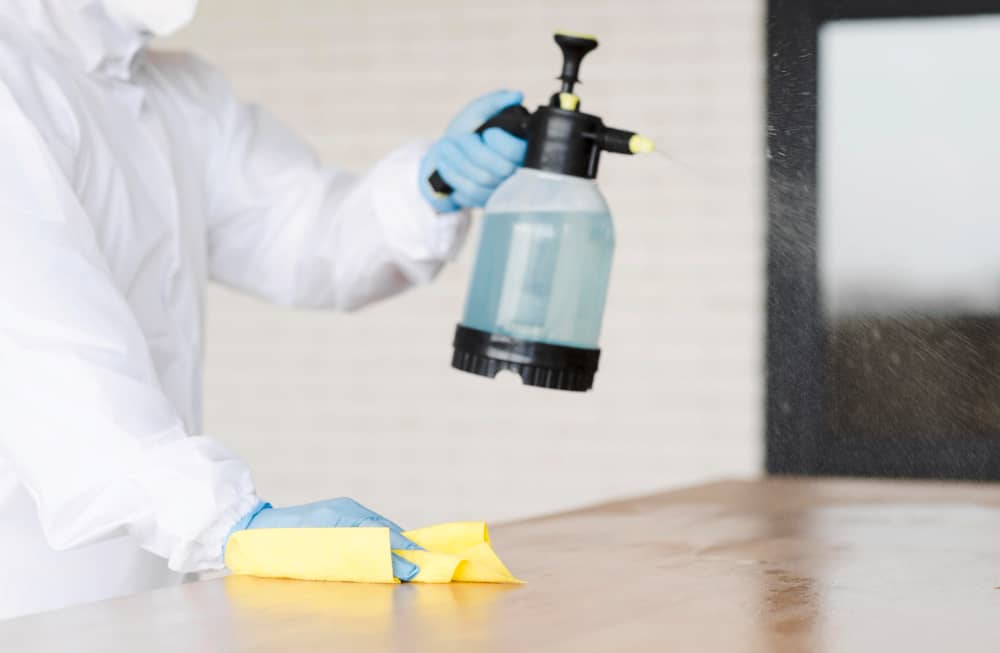
A professional inspection normally covers both the inside and outside of the property. During the interior inspection, the technician inspects kitchens, utility rooms, basements, attics, garages, cupboards, and areas behind appliances. The exterior inspection focuses on the foundation, roofline, vents, doors, windows, utility penetrations, and drainage areas.
The technician records mouse activity such as droppings, odours, tracks, gnawing, and nesting material. The assessment should explain where mice are likely feeding, travelling, and nesting. It should also identify access points that could allow more mice to enter.
Activity level matters. A single mouse seen in a kitchen presents a different challenge from repeated noises, fresh droppings in several rooms, and evidence of breeding. A clear property inspection helps prevent guesswork and makes the treatment easier to follow.
Trapping, Removal, and Monitoring
Mouse traps work best when placed along travel routes rather than in random locations. Snap traps can provide a quick, targeted method when positioned correctly. They should remain inaccessible to children and pets.
Live traps may suit homeowners who prefer humane removal. They still require frequent checking and a safe and lawful release plan. Releasing a mouse without correcting the entry points can simply relocate the issue or allow the animal to return.
Some situations benefit from tamper-resistant bait stations. These enclosed systems help limit access to rodenticide and can be useful in areas where traps are not practical to set. A technician should explain the product, placement, safety steps, and any required inspection schedule.
Monitoring devices, tracking materials, and later checks help show whether mouse activity has stopped. Follow-up monitoring is especially useful when mice enter wall voids or when the home has several access points. A follow-up visit may lead to further trap adjustments, new sealing work, or further investigation.
Sealing Entry Points and Excluding Mice
Exclusion services focus on keeping mice out after removal. This work is often called mouse-proofing. The technician may inspect gaps around pipes, vents, foundations, doors, windows, and service lines.
Small gaps can be filled with steel wool and then secured with an appropriate sealant. Larger openings may need hardware cloth or another durable barrier. Door sweeps can close the gap beneath exterior doors, while vent repairs and screen replacement can protect other access points.
Sealing should fit the surface and the size of the opening. Soft materials alone may fail because mice can chew through them. A good exclusion plan lists the work completed and notes any repairs that remain the homeowner’s responsibility.
Health and Home Risks of Mice Infestations
Mice often leave droppings and urine on flooring, shelving, insulation, stored goods, and food containers. These materials may create contaminated surfaces that require thorough cleaning. Do not brush or vacuum dry droppings, since this can stir up particles. Follow health authority guidance and ask a professional about major contamination.
Contaminated food is another concern. Dispose of food in damaged or exposed packaging. Clean hard surfaces with suitable disinfectant and wash your hands after handling contaminated items. Keep cleaning supplies separate from children and pets.
Property damage may continue even when signs are not clear. Mice chew insulation, wood, plastic, and electrical wiring. Damaged electrical wiring can create a fire risk, so an electrician should check wires that show bite marks or exposed wires.
People who have respiratory conditions, young children, older adults, and pets may need additional care during cleanup and treatment. Ask the service provider which rooms need to stay empty and when you can use them normally.
Traps, Bait, or Professional Mouse Control?
DIY mouse traps can help for a minor, newly noticed problem. Place them alongside walls, behind appliances, or near new signs of mice. Use several traps rather than relying on one device, and check them as directed.
Home treatments become harder to trust when you hear activity in walls, find droppings in multiple rooms, or continue seeing new signs after trapping. A hidden nest may remain active, and unsealed entry points may allow more mice to enter.
Rodenticide requires particular caution. Misuse can expose children, pets, and wildlife. It can also leave a mouse dead inside a wall, which may create an odour and make removal challenging. If bait is needed, a professional can choose and place it in secure bait stations.
Professional treatment makes sense when the infestation is ongoing, the source is unclear, or access areas are hard to inspect. Ask for a written treatment plan that covers mouse removal, sealing, cleaning guidance, and monitoring. Pet safety should be discussed before any traps or bait are installed.
Ways to Stop Mice From Coming Back
Preventing mice starts with food storage. Keep dry goods in hard, sealed containers instead of unsealed bags or thin cardboard. Store pet food securely, clean crumbs as soon as possible, and avoid leaving food bowls out overnight when practical.
Good sanitation reduces available food but does not replace exclusion. Empty indoor rubbish regularly, clean under appliances, and address spills without delay. Repair leaks and remove standing water around utility areas.
Reducing clutter makes mouse activity more visible. Keep boxes off the floor where possible, leave space around basement walls, and avoid storing fabric or paper in loose piles. Trim materials and stored goods should not rest against exterior walls.
Keeping the building in good repair also matters. Inspect the foundation, roofline, doors, screens, vents, and pipe openings twice a year and after major repairs. Replace damaged door sweeps and repair gaps before cold weather pushes mice inside.
These protective actions work best together. Food control lowers attraction. Sealed entry points stop access. Regular checks reveal new problems before they become a larger home infestation.
Picking a Professional Mice Control Provider
Find a licensed technician who can explain the inspection findings in clear language. Ask whether the company handles both mouse removal and entry-point sealing. Some providers specialize in placing traps, leaving the cause unresolved.
A written treatment plan should list the areas inspected, the signs found, the proposed methods, safety instructions, and any homeowner tasks. It should also state whether a follow-up visit or follow-up monitoring is provided.
Ask about the service guarantee before authorizing work. A guarantee may cover a set period or certain follow-up conditions, so read the terms carefully. It should not be treated as a promise that mice can never return if new gaps form.
Transparent pricing helps you compare providers clearly. Request details about inspection fees, trap or bait placement, exclusion work, follow-up visits, and repairs. Treatment cost may change with the size of the home, the number of access points, the activity level, and the difficulty of reaching attics, walls, or crawl spaces.
A responsible pest control company should answer questions about safe treatment, product labels, pet precautions, and cleanup. Avoid providers who push you to authorize work without explaining the evidence or the next steps.
Frequently Asked Questions About Mice Control
How can I tell if I have mice in my Ottawa home?
Check for mouse droppings, gnaw marks, scratching noises, nesting material, damaged food packages, and greasy marks along walls. Fresh signs in more than one room suggest active mouse activity. A professional inspection can identify hidden nesting areas and entry points when the source is not clear.
What attracts mice to Ottawa houses?
Mice seek food sources, water sources, warmth, and shelter. Crumbs, pet food, pantry goods, leaking pipes, clutter, insulation, and gaps around doors or utility lines can all attract or admit mice. Better sanitation helps, but sealed entry points are also necessary.
How expensive is mice control cost in Ottawa?
Mice control cost varies with the overall size of the property, the number of mice, the level of activity, the number of access points, and the work required for exclusion. Trapping alone may cost less than a service that includes rodent-proofing, difficult access work, and follow-up visits. Request an itemized estimate before treatment begins.
Are mice dangerous to my family and pets?
Mice may create health concerns through soiled surfaces, urine, droppings, and food contamination. They can also damage home insulation and electrical wiring. Traps and rodenticide may pose risks to pets and children if used or handled improperly, so request clear home safety instructions from the technician.
How can you prevent mice infestations?
Use airtight food containers, maintain good sanitation, reduce clutter, repair leaks, inspect the building, and seal gaps with suitable materials. Steel wool, hardware cloth, door sweeps, and durable sealants may help with various entry points. Regular checks and prompt repairs provide better mouse prevention than any single action.
Report this page